

In 2026, live communication will be more than just an event – it will become a strategic performance channel. The article shows which live communication trends are really relevant for brands, how experience, roadshows and measurable activations interact and why real experiences are crucial for impact and customer acquisition. With concrete use cases, a best practice from the BLU agency network and a clear blueprint for successful live activations.
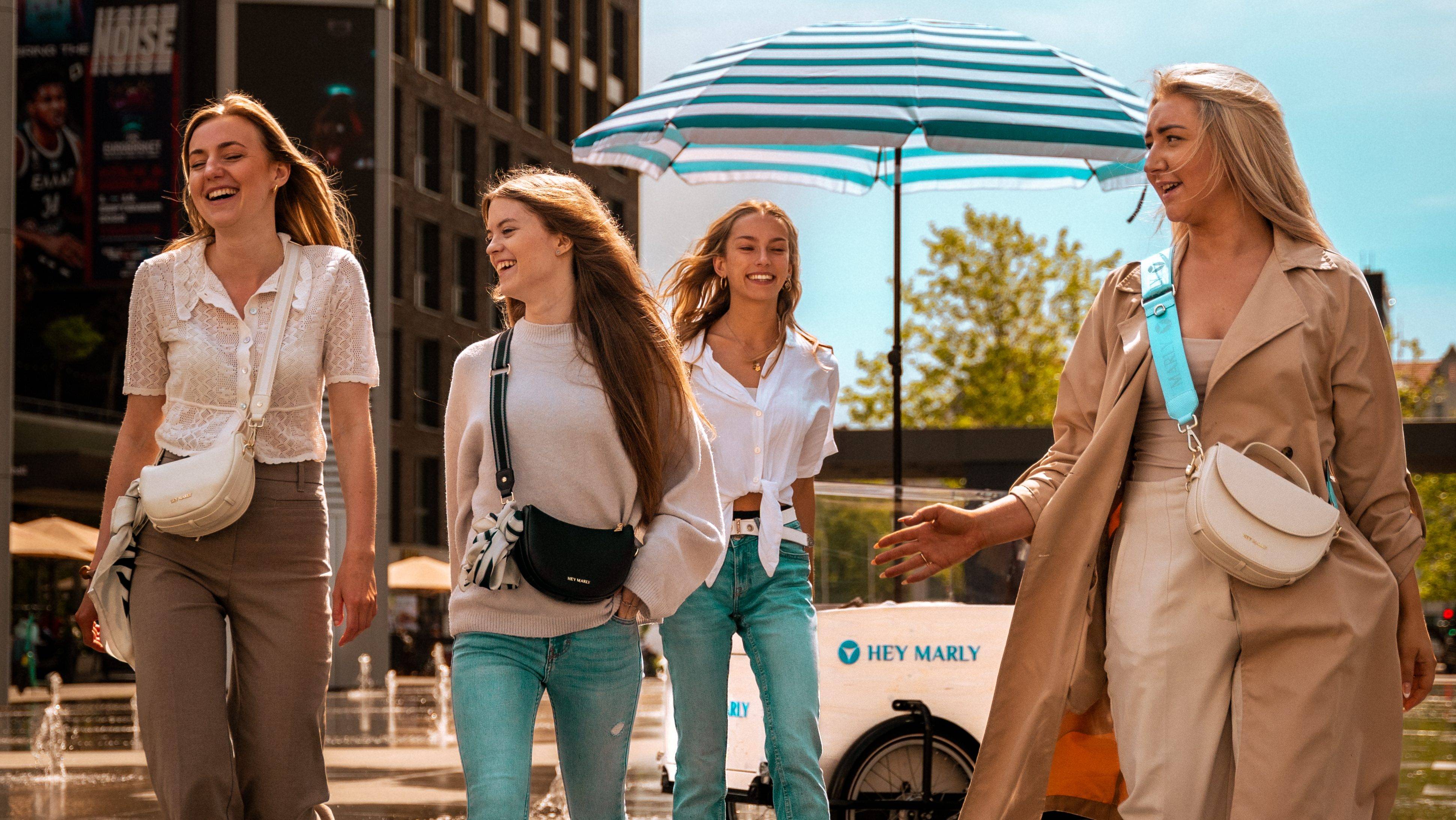
Why live communication is more important than ever
If you spend 2026 budget on live marketing, nobody on the board wants to hear: “It was a nice event.” Decision-makers expect results that are reflected in business objectives: qualified leads, sales pipeline, brand preference and tangible effects at the POS or in retail. This is exactly where modern live communication comes in: It puts brands in real situations, creates “aha” moments and creates touchpoints that digital alone often fails to deliver. People no longer want one-sided messages, but real encounters that touch them emotionally. And yes: this works best when an agency for live communication not only thinks creatively, but is also operationally strong – approvals, personnel, logistics, reporting, quality management.
5 live marketing trends 2026 with clear use cases
1. experience-first instead of feature-first
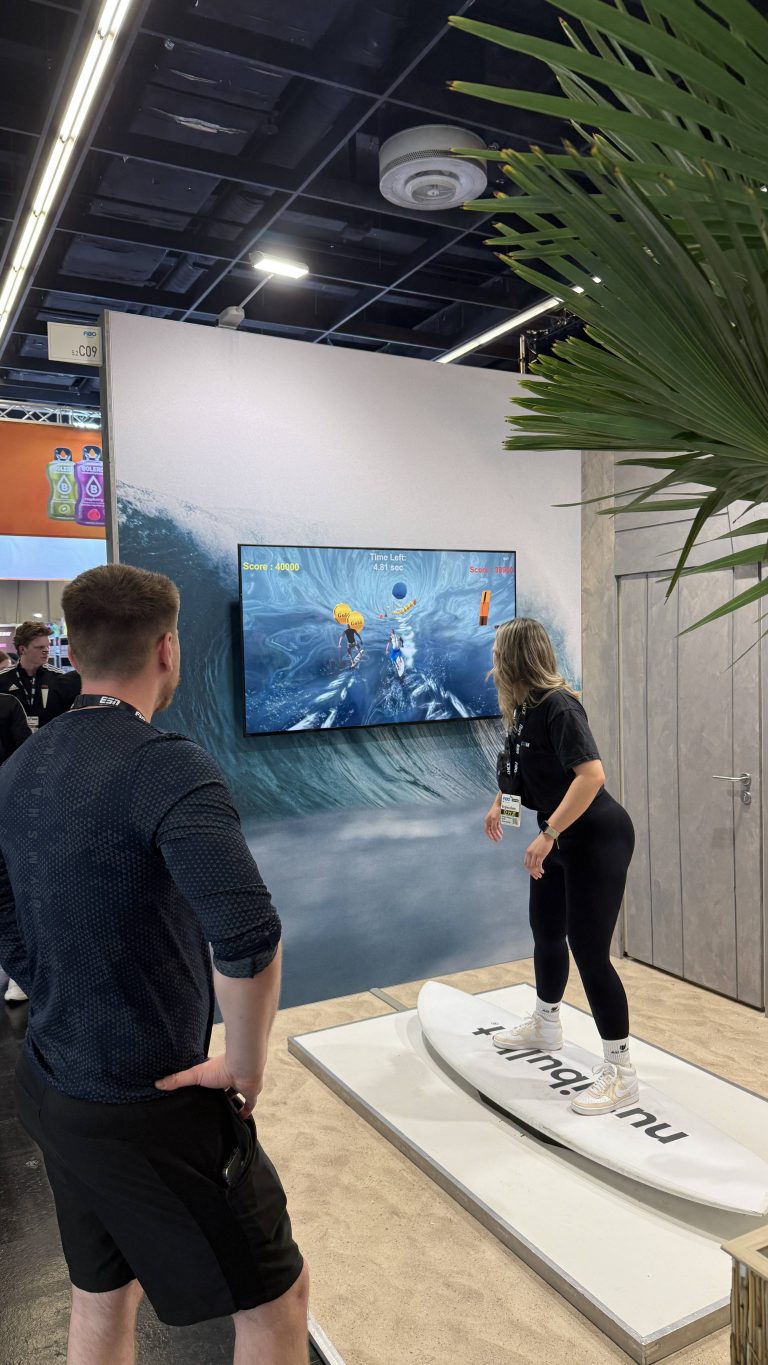
The most important shift in live experience marketing: relevance is no longer created through arguments, but through experiences. People remember feelings, not specifications. This is precisely why live marketing will be the strongest proof of brand promises in 2026.
Instead of explaining products, they will be staged. Testing, trying, comparing and personalizing take place in real, emotionally charged situations. The brand does not show what it can do – it lets people experience it. This turns communication into credible proof of positioning.
In live communication, this means that every activation is consistently conceived from the experience. Space, design, personnel and interaction interlock seamlessly and create a brand image that sticks. The live experience becomes the moment of decision – relevant, differentiating and sustainably effective.
2. roadshows as a scalable brand format
Roadshows are evolving from a classic promotion tool to a strategic growth format in 2026. They combine reach with control and make live communication plannable, repeatable and scalable. Instead of one-off events, modular set-ups are created that can be rolled out across several cities – consistent in the brand message, flexible in implementation. Each station contributes to the same experience, learns from the previous one and optimizes performance in real time. This is precisely the strength of roadshows in live marketing. When implemented correctly, roadshows become a mobile brand platform: visible in urban spaces, close to the target group, measurable in contacts, interactions and sales. They take the brand to where relevance is created – and make live experience marketing efficient instead of random.
3. leads without killing the experience
The key success factor in live communication event marketing: lead generation must not feel like lead generation. It works best when it is an organic part of the experience – not an interruption. Competitions, QR journeys, sampling with opt-in or on-site appointment bookings are established mechanisms in 2026 that extend live experiences in a meaningful way. They create a seamless transition between physical interaction and digital touchpoints. Modern live marketing is not about maximum data collection, but about relevant contacts. Live communication provides the moment, the mechanics provide the connection.
4. micro-moments & high-impact surfaces
Not every brand needs a big event to make an impact. In 2026, the focus will increasingly be on micro-setups: short, precisely staged brand moments at highly frequented locations. Live communication unfolds its efficiency precisely where attention is at a maximum and time is limited. High-impact areas with a high footfall make it possible to test, sharpen and play out messages in a compressed form. In live marketing, these micro-moments are used strategically to quickly validate content, measure target group reactions and continuously optimize formats. Thanks to their clear structure, micro setups are ideal for A/B testing messaging, visuals or mechanics. This makes live experience marketing not only attention-grabbing, but also adaptive and develops from a single moment into a data-based growth tool.
5. measurability as a standard
The most important development within the live communication trends: Live is becoming consistently performance-oriented. Brands expect clear answers to a central question in 2026: What are the concrete benefits of activation?
This is exactly where a clean KPI framework comes in. Contact numbers, interaction rates, lead quality, sales, NPS or POS uplift are no longer optional key figures, but standard. In live marketing, measurability is considered right from the start, from the mechanics to the personnel to the data collection.
Effective live communication combines emotional experiences with structured reporting. This not only creates strong brand moments, but also provides a reliable basis for decision-making for optimization, scaling and budget management. Live is thus transformed from a creative single moment into a controllable performance channel.
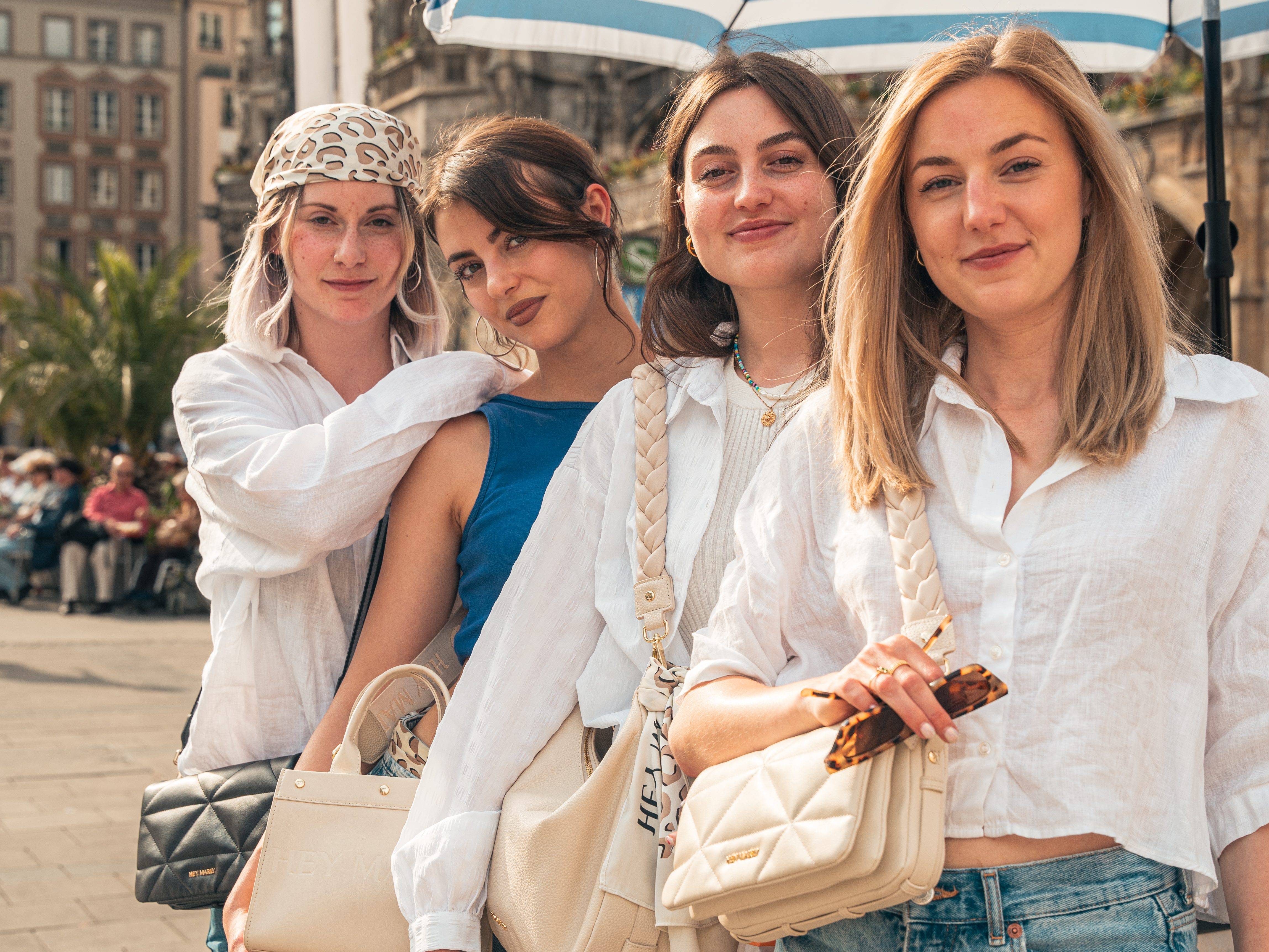
Live works – if it’s done right.
Hey Marly Summer Escape Roadshow
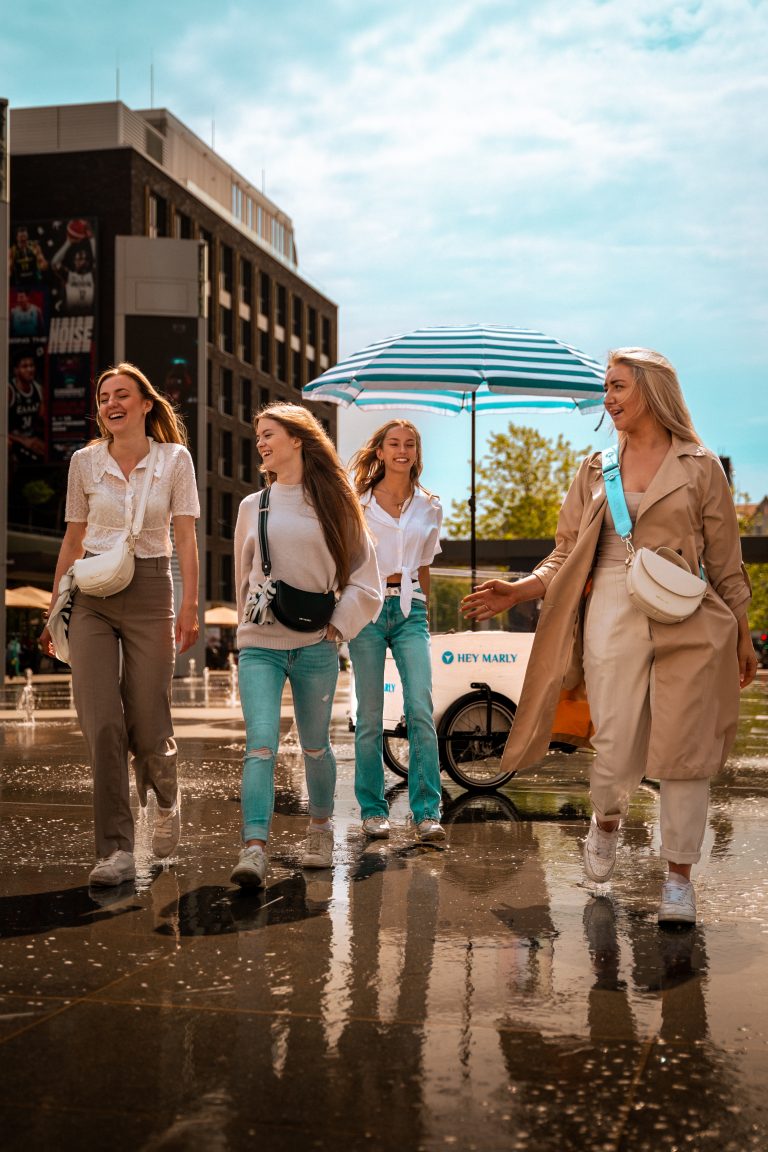
The Hey Marly Summer Escape Roadshow is an example of how roadshows should be conceived and implemented: mobile, urban, eye-catching and consistently experience-oriented. Instead of relying on static spaces, the brand was brought to exactly where attention is generated: in the middle of the public space.
The central element of the activation was an individually branded cargo bike that acted as a moving shop window. It presented the current collection not behind glass, but in direct contact with people. The roadshow toured cities such as Hamburg, Berlin, Düsseldorf and Munich and generated visibility that was not bought, but earned – through real encounters and spontaneous interaction.
As part of the live communication, the brand was staged in an approachable, flexible and present way. The setup could be adapted depending on the location, relocated quickly and rolled out efficiently. At the same time, a high-quality brand experience was created that invited people to linger, discover and exchange ideas. Clear success factors can be derived from this for brands:
A mobile setup creates maximum flexibility and allows locations to be used according to the situation. Direct interaction replaces pure visibility and increases the relevance of the moment. A targeted drop and launch logic provides conversation starters and social buzz. Supplementary collaborations – as in this case with Chandon Garden Spritz – increase the experience value and extend the length of stay. The roadshow is a strong example of live experience marketing in its purest form: an experience that makes the brand tangible, emotionally charged and at the same time remains scalable.
BLU-Print: SO Live 2026 becomes a machine
For live communication to be more than a single moment in 2026, it needs a clear structure. Successful activations follow a simple but effective logic: strategy, format, mechanics. Live only becomes a genuine acquisition channel when all three levels interlock.
1. clearly define the goal
It doesn’t start with the format, but with the goal. Is it about awareness, a product launch, trade support, lead generation or direct sales? Each objective requires a different staging, different mechanics and different KPIs. Clarity at this point determines whether Live will have an impact or fizzle out.
2. select the correct format
Once the goal has been defined, the next step is to decide on the format. Roadshows are suitable for combining reach with consistency and making brands visible across several cities. POS activations show their strength where purchasing decisions are made. Trade fairs are predestined for B2B qualification, while events are ideal for building relationships and anchoring brand stories. In live marketing, the right format is not a judgment of taste, but a strategic decision.
3) Integrate mechanics & measurement
To make live measurable, mechanics must be considered from the outset – without disrupting the experience. QR opt-ins, competitions, appointment bookings or sampling registrations are proven tools for translating interaction into connectivity. A clearly defined KPI set and a clean reporting routine are crucial.
Equally important: trained staff who convey brand messages confidently and direct interactions in a targeted manner. This is exactly where the difference an agency for live communication makes – creative in the idea, precise in the implementation and resilient in the result.
Why BLU Live?
BLU Live stands for live communication at the highest level – strategically conceived, precisely planned and consistently implemented. As an agency network, we combine creative excellence with operational strength and turn live experiences into measurable success factors.
Our expertise ranges from the initial idea to implementation in the field. We always take a holistic approach to live: as a combination of experience, interaction and performance. Every activation is designed to make brands visible, create encounters and achieve impact.
Our focus areas at a glance:
- Brand activation
- Promotion & roadshow management
- Trade fair organization
- Event management
- Food tasting
- Catering & Hospitality
Personnel Management
What sets us apart is our ability to bring brands and people together in an authentic way – attention-grabbing in our staging, clean in our implementation and clear in our results. This is exactly how Live Marketing 2026 will become a channel that not only looks good, but also has a lasting effect.